


Varicose veins are the thinning of the walls, the expansion of their lumen, and the formation of nodes.Any vein can become varicose, but most often the disease affects the legs.The reason is related to the upright position of the body, which leads to increased pressure on the veins in the lower part of the body.Some people experience discomfort, aching pain in the veins.Without treatment, this leads to quite complex problems.
The most common treatment for this disease is venectomy.This operation involves mechanical stretching of the dilated vein through a skin incision.In the hospital, specialists also offer alternative methods for non-surgical treatment of varicose veins that can eliminate pathological changes in the leg veins.
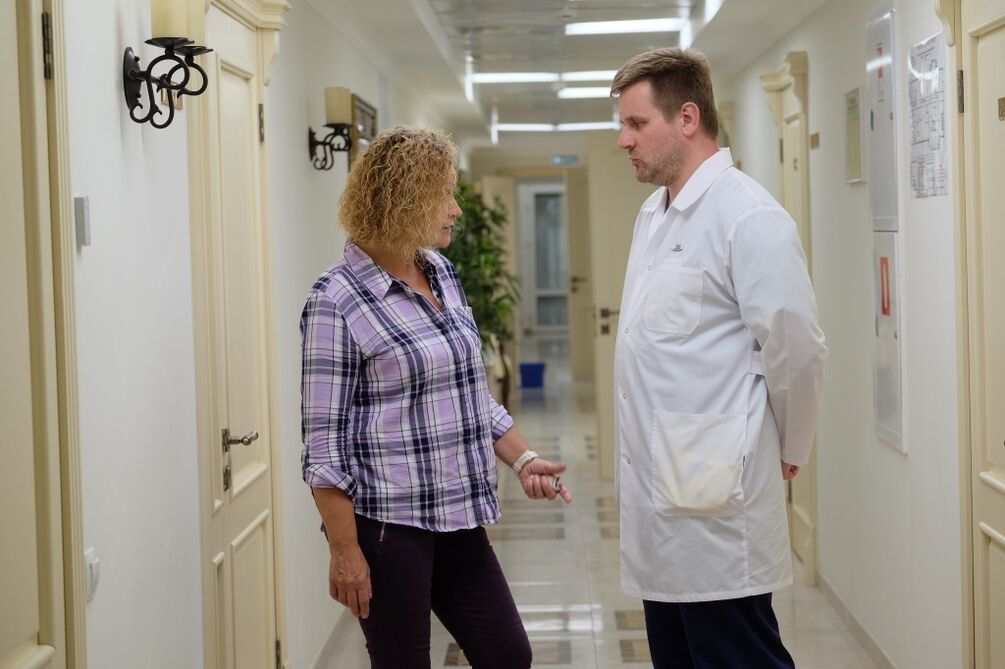
Causes of varicose veins
Varicose veins are a fairly common disease and their treatment has been practiced for a long time.Currently, it is possible to determine the causes that cause this pathology with certainty:
- excessive physical activity;
- sedentary lifestyle;
- abuse of bad habits (smoking, alcohol);
- injuries resulting in vascular damage;
- disorders in the functioning of the endocrine system and gastrointestinal tract;
- unbalanced diet;
- lack of vitamins and microelements;
- overweight;
- individual characteristics in the structure of the vascular system;
- childbearing period;
- genetic predisposition.
Basically, the reasons for the development of varicose veins in women and men are the same.This disease can manifest itself in both legs and arms.During your consultation, the hospital specialist will tell you how to cure varicose veins without surgery.
Diagnosis of varicose veins
You can understand that the disease develops on its own, because varicose veins have recognizable symptoms:
- when moving, there is a feeling of heaviness in the legs;
- painful sensations in the legs, which may also be accompanied by a burning sensation;
- cramps may occur in the lower part of the leg during rest;
- swollen form after a day's work;
- vein expansion can be seen visually;
- the appearance of nodes in the veins;
- skin darkening;
- upon palpation, the vein has a tortuous structure;
- lethargy and increased temperature can be added, which indicate complications of the disease.
The presence of at least one of the listed symptoms indicates the development of a severe pathology.Accurate and qualified diagnosis of varicose veins can be done in the hospital using modern equipment.Specialists conduct a comprehensive examination, which allows not only to diagnose varicose veins and their stages, but also to determine the general condition of the body.Diagnosis begins with an examination by a doctor and survey.After consultation, he usually prescribes the following examinations:
- UAC;
- Dopplerography;
- Vascular ultrasound;
- Biochemical examination.
Data from this study allows doctors to assess overall vascular damage, if any.Specialists also use complex bioresonance diagnostics.It allows you to get the most complete picture of the patient's condition and prescribe the most effective non-surgical treatment for varicose veins on the lower legs.
Treatment methods for varicose veins on the lower leg without surgery
Only an integrated approach to the treatment of varicose veins without surgery will help to get rid of the pathology.Non-surgical treatment of veins should include complete lifestyle correction:
- Exercising;
- Diet;
- Compression effect on the affected area;
- Drug therapy;
- People's recovery;
- Minimally invasive method.
Hospital doctors advise starting treatment with lifestyle adjustments, trying to move more, introducing walking, doing fitness or doing exercises at home.Running and swimming with swollen veins are considered very effective.It is also necessary to reconsider your usual diet.Fatty and fried foods, hot spices, carbonated drinks, alcohol, baked foods, and sweets should be removed from it.Fill your diet with vegetables, fruits, fruit drinks, grains, and drink clean water.It is recommended to eat seafood: seaweed, shrimp, squid, clams.They are rich in copper, and it has a positive effect on the condition of blood vessels, strengthening them and restoring their elasticity.It is necessary to build a diet so that dinner occurs no later than 4 hours before bedtime.You should eat food in small portions.The hospital nutritionist will calculate the necessary diet taking into account all the individual characteristics of the patient.
In part, how to get rid of leg veins without surgery is solved with compression garments.It exerts pressure on the legs and thereby restores normal blood flow in the vessels.Varieties of compression garments are used depending on the location of the process;these can be tights, stockings or knee socks.Orthopedic garments are also used to treat varicose veins without surgery.It is presented in different classes and models, which differ in pressure force.Hospital specialists will determine exactly how much pressure is needed after determining the extent of the disease.Such products are also recommended to be used to prevent the development of the disease.The need to wear compression stockings is also determined by experts.As a rule, they put it on in the morning, without getting out of bed, and take it off only before going to bed.
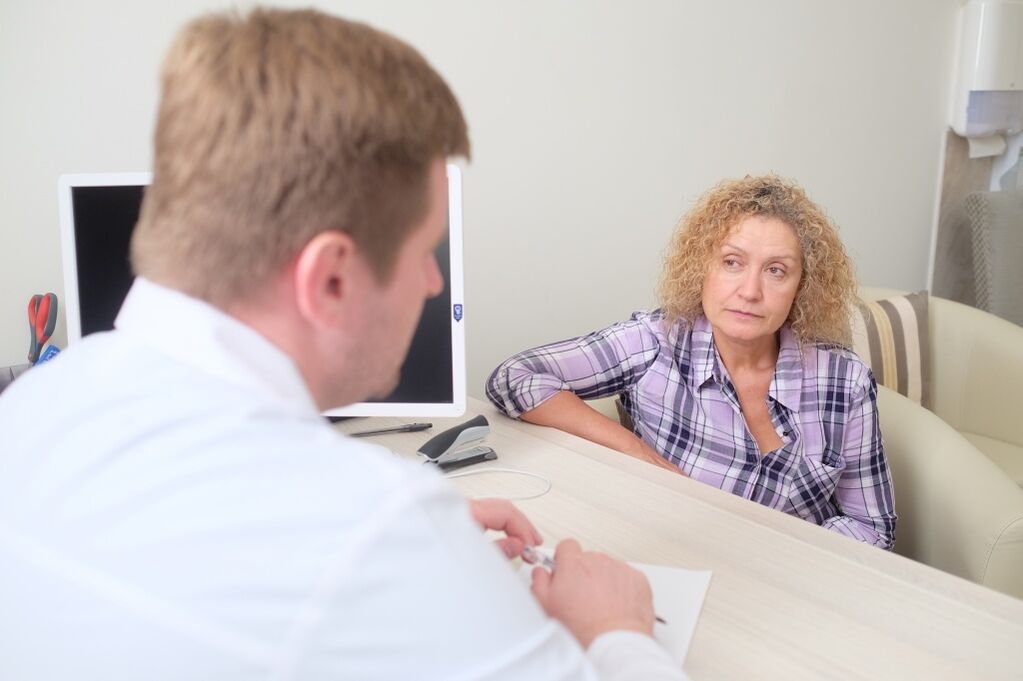
How to cure varicose veins on the legs without surgery
When treating veins in the legs without surgery, hospital specialists use drugs from the venotonic group.These include drugs such as troxerutin, rutoside, escin, sodium heparin, diosmin.They are usually used in cream form, but can also be in tablet or ointment form.Anti-inflammatory drugs and blood thinners are also prescribed if there is pain, local fever, or hyperemia.All the above drugs are used exclusively as prescribed by the doctor, because the choice of drug and dosage depends on the characteristics of the individual patient and the advanced stage of the disease.
Removal of veins without surgery involves cutting the skin and gives good results in the fight against vein pathology in the legs.Such methods of treating varicose veins on the lower leg without surgery include:
- Sclerotherapy.With this method, a special solution called sclerosant is injected into the lumen of the vein.It causes sticking and inflammation of vessels from the inside.Blood is directed to healthy veins, and sclerotic vessels disappear over time.Varicose veins without surgery can be treated with this technique for small veins that are affected by varicose veins and are located directly under the skin.This method significantly improves the appearance and condition of the feet.For large veins, foam sclerotherapy is used.Before the medicine is injected into a vein, it first turns into a foam.It covers a wide area and is safe for the lumen of blood vessels.This manipulation can be repeated several times if necessary.
- Endovascular laser ablation.It involves the impact of a very strong laser pulse on the walls of blood vessels, under the influence of which the veins freeze.This method is used to get rid of spider veins and small veins.The device sends strong light pulses through the skin, they close the lumen of the subcutaneous channel, and as a result cause its loss.This procedure does not involve injections or skin incisions.This technique is designed for the treatment of patients with early manifestations of varicose veins.Usually, several sessions are required.
- Radiofrequency ablation.This method involves exposing the area of vein expansion to radiofrequency radiation.A wire catheter is inserted into the lumen of the vessel under ultrasound control, which allows radiofrequency energy to be applied to the vein wall.The catheter runs from the groin area to the knee.The vein wall thickens, heats up and blocks the lumen, and consequently disappears.The results of this procedure are observed for several weeks.
- Intravenous laser ablation.This method is similar to the previous one, only instead of radio frequency energy, laser radiation is used here.The laser fiber is inserted into the lumen of the dilated vessel and closes the lumen.
In hospitals, laser and radiofrequency treatments are often used to treat deep veins affected by varicose veins.We can recommend how to get rid of varicose veins without surgery in the following cases:
- This disease manifests itself as cramps and pain in the legs;
- All previous steps did not bring results;
- Inflammation of the veins;
- Formation of blood clots;
- Formation of varicose ulcers;
- Fatty tissue under the skin hardens.
In the hospital, treatment is performed in the doctor's office under local anesthesia.The patient is conscious.Doctors use ultrasound to visualize the veins.The doctor treats the foot with a disinfectant solution.When the catheter is inserted, the patient may feel a slight tingling sensation or slight pressure as the sclerosant is injected.If the doctor uses laser radiation, it is necessary to wear protective glasses.Laser or radiofrequency ablation is usually painless.An elastic bandage is placed on the leg.It is designed to prevent possible complications such as bleeding or swelling of the leg.It is recommended to wear it for several days.Hospital experts recommend avoiding physical activity for about 10 days.Paracetamol is prescribed to relieve pain.Some drugs are prohibited for use, such as Aspirin, because they interfere with the blood clotting process.Patients should limit hot showers and replace them with cold showers.
This procedure is relatively safe and helps answer the question of whether varicose veins can be cured without surgery.But there are also certain risks in this procedure.
Varicose vein treatment without surgery is a very effective method in getting rid of this disease.The risk of complications is very low.After treatment, the skin's appearance and condition return to normal.There is almost no evidence of negative effects.There is a risk of recurrence, but wearing compression stockings significantly reduces the likelihood of recurrence of the disease.It is necessary to strictly follow your doctor's recommendations to avoid the risk of relapse.
Sometimes there are still areas of enlarged veins in the legs after treatment that cannot be removed without surgery.In this case, whether varicose veins can be treated without surgery is answered by hospital specialists who can offer interventions that are less traumatic and almost the same as non-surgical treatment.This treatment is also performed under local anesthesia and on an outpatient basis.And qualified hospital staff will provide patients with everything they need and create the most comfortable conditions for treatment.Reviews of varicose veins without surgery show excellent results for patients after undergoing treatment in the hospital.You can make an appointment with a specialist at the hospital by calling the 24-hour hotline.